How Houston Weather Affects Your Home: Water Damage Restoration Prevention Tips
Published: 2026-04-16 · By DryGuard Water Damage Cleanup
As a Houston homeowner, you’re probably all too familiar with how the relentless heat and humidity impact your property. With summer storms pounding on your roof and hurricane season looming, your home is more vulnerable than ever to water damage. Imagine coming home after a heavy downpour to find water seeping through your ceiling or flooding your basement. It’s not just a minor inconvenience; it’s a costly problem that can lead to extensive repairs. In a city where clay soil can shift foundations, the stakes are high. If you think this won’t happen to you, think again.
Why This Matters for Houston Homeowners
In Houston, the weather poses unique challenges for homeowners, especially in terms of water damage. The combination of extreme heat and humidity creates an environment ripe for mold growth if water intrusion occurs. With clay soil prevalent in many areas, the expansion and contraction can put pressure on your home’s foundation, leading to cracks that can allow water to seep in. Heavy rainfalls and thunderstorms can exacerbate these vulnerabilities and contribute to leaks and water pooling around your property.
Moreover, with hurricane season lasting from June to November, your home becomes even more susceptible. Flooding can occur rapidly, particularly in low-lying areas, leading to significant damage in mere hours. This is why proactive measures are crucial for Houston homeowners. Not only can water damage diminish your home’s value, but it can also jeopardize your health due to mold and mildew growth.
Addressing water damage isn’t just about fixing the issue when it arises. It's about understanding the environment you live in and taking preventative steps. Ignoring the warning signs today can lead to a costly restoration tomorrow.
Expert Solutions & Actionable Tips
1. Regular Roof Inspections
In Houston, the roof endures a great deal of wear due to storms and extreme heat. Consider hiring a professional to inspect and maintain your roof at least twice a year. Typical costs for a thorough inspection can range from $100 to $300, depending on the size and complexity of your roof. Early detection of issues such as loose shingles or leaks can save you a fortune in future water damage repairs.
Remember that replacing a roof can cost anywhere from $5,000 to $15,000. By tackling minor issues now, you might prevent major headaches later.
2. Proper Landscape Grading
Ensure that your property is graded correctly, directing rainwater away from your home. This requires both strategic landscaping and sometimes additional regrading of soil. Hiring a professional landscaper may cost between $500 and $2,000, depending on the scope of work. A well-graded yard helps reduce water pooling around foundations that typically leads to serious damage during rain.
If you live in an area with clay soil, maintaining the right grading is even more critical, as water can worsen foundation shifts.
3. Maintain Your Gutters
Regular maintenance of your gutters is essential in Houston, where heavy rainfall can cause overflowing. Cleaning your gutters at least twice a year can prevent water from backing up into your home. If hiring a service, expect to pay between $75 and $150. A clogged gutter can cause water to seep into your walls, which can lead to mold growth and costly repairs.
Installing gutter guards may involve an initial expense of $200 to $600, but they can save you time and money in the long run by minimizing debris accumulation.
4. Monitor Indoor Humidity Levels
High indoor humidity can contribute to mold growth even without visible leaks. Invest in a hygrometer to monitor humidity and keep levels between 30-50% using dehumidifiers. A good quality dehumidifier could cost around $150 to $300 and help prevent mold from forming in humid Houston weather.
Consider installing exhaust fans in kitchens and bathrooms as well, costing approximately $100 each, as they help reduce moisture buildup.
5. Seal Cracks and Openings
Inspect your home’s exterior for cracks and gaps where water can get in. Sealing these openings with caulk can be a straightforward DIY project. You might spend about $10-$20 on materials at your local hardware store. Consider this a crucial preventive measure—winterizing your home protects it from unexpected rain damage and moisture infiltration.
Even a small opening can lead to significant issues if left unaddressed, especially during stormy seasons.
6. Create a Water Damage Response Plan
Every Houston homeowner should have a well-defined response plan for water damage. This includes having contact information for professionals, such as DryGuard Water Damage Cleanup, readily available. Additionally, document your home’s condition with photos and keep them updated to support any insurance claims. Spending a few hours planning now can save you significant stress and costs in the wake of water damage events.
Investing time into this plan means you won't scramble to find solutions during an emergency, which can occur with little notice.
Houston Climate & Local Context
Houston’s unique climate is characterized by its extreme heat, high humidity, and seasonal storms, creating ripe conditions for water damage. Homes built in this region often include older structures susceptible to cracks and leaks, compounded by the shifting clay soil that can devastate foundations. Local building codes require specific measures for water drainage and structural integrity to combat these issues, so be sure to adhere to regulations when hiring contractors.
Be proactive; a good renovation project might involve additional waterproofing solutions to protect your property. Houston's humid climate means that mold can flourish quickly if water damage occurs, making timely repairs essential.
When to Call a Professional
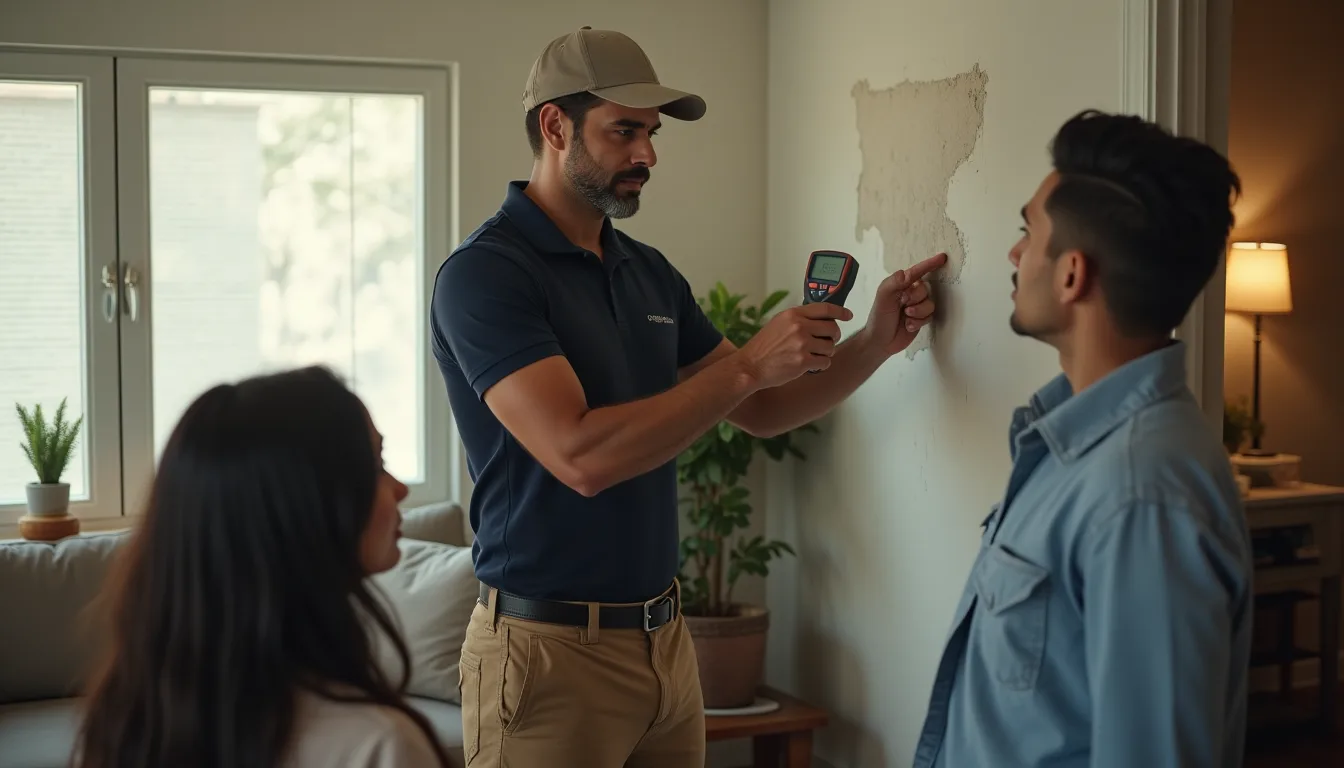
While some home repairs can be a DIY endeavor, knowing when to call a professional is crucial for Houston homeowners experiencing water issues. If you encounter extensive flooding, significant standing water, or visible mold growth, it’s time to seek expert help.
- Signs of significant leaks from the roof or plumbing.
- Unexplained water stains on walls or ceilings.
- Rapid mold growth following a flood.
- Water pooling in your yard that does not drain.
- Structural damage in basements or crawl spaces.
- Persistent dampness despite ventilation efforts.
- Widespread wood rot or deterioration.
Professional services can not only address these issues comprehensively but also ensure that the underlying problems are resolved properly, preventing future damages.
Frequently Asked Questions
What are the typical signs of water damage in my Houston home?
In Houston, signs may include water stains, peeling paint, mold growth, and damp smells. Check areas prone to humidity, like bathrooms and basements.
How can I prepare for hurricane season regarding water damage?
Preparing for hurricane season in Houston involves securing outdoor items, regularly inspecting your roof, and ensuring your gutters are clean to prevent blockages.
Should I file an insurance claim for minor leaks?
For minor leaks, assess if the cost of repairs exceeds your deductible before filing a claim, as repeated claims can increase your premiums.
Can I prevent mold growth after water damage?
Yes, by acting quickly to dry out affected areas within 24-48 hours and maintaining low humidity levels, you can significantly reduce the risk of mold growth.
What is the average cost for water damage restoration in Houston?
Average costs can vary widely, but homeowners often pay between $1,500 to $3,500 depending on the severity and extent of the damage.
Get Expert Water Damage Restoration Service in Houston
Don't let water damage take over your home. Take preventative measures now, and if disaster strikes, trust DryGuard Water Damage Cleanup to handle it. Call (832) 895-2068 today, and keep your Houston home safe from the elements.
Your home deserves the best care. Get started on securing peace of mind with reliable, local water damage restoration solutions.
Related Services
Service Areas
More Articles
Top 5 Water Damage Restoration Prevention Tips Every Houston Homeowner Should Know
2026-04-16
Water Damage RestorationThe Hidden Dangers of Ignoring Water Damage Restoration Issues in Your Home
2026-04-16
Water Damage RestorationWhat to Expect During a Professional Water Damage Restoration Assessment
2026-04-16