What to Expect During a Professional Water Damage Restoration Assessment
Published: 2026-04-16 · By DryGuard Water Damage Cleanup
In Houston, where oppressive heat meets tropical humidity, water damage can emerge unexpectedly—often following severe thunderstorms or a sudden leak from an aging pipe. Imagine returning home after a storm to find water pooling in your living room. The weight of that situation can be overwhelming, but understanding what to expect during a professional water damage restoration assessment can provide clarity and reassurance. With DryGuard Water Damage Cleanup, you’ll receive an efficient and thorough evaluation that sets the stage for effective remediation.
Why This Matters for Houston Homeowners
Water damage is a serious concern for Houston homeowners, especially given the region's unpredictable weather patterns. Extreme heat and high humidity levels create a perfect breeding ground for mold, further complicating restoration efforts. Additionally, Texas homes often have foundation issues due to expansive clay soil, which can exacerbate water infiltration problems.
Neglecting to address water damage promptly can lead to structural issues, financial setbacks, and health risks from mold exposure. That’s why understanding the restoration assessment process is crucial. It allows homeowners to prepare mentally, financially, and logistically.
Tip: Contact a professional immediately after discovering water damage to mitigate further losses and prevent mold growth.
In Houston, delays in water damage response can lead to costly repairs that could have been avoided with timely assessment. Moreover, understanding the local climate and construction materials helps tailor effective solutions.
Expert Solutions & Actionable Tips
1. Understand the Initial Assessment Process
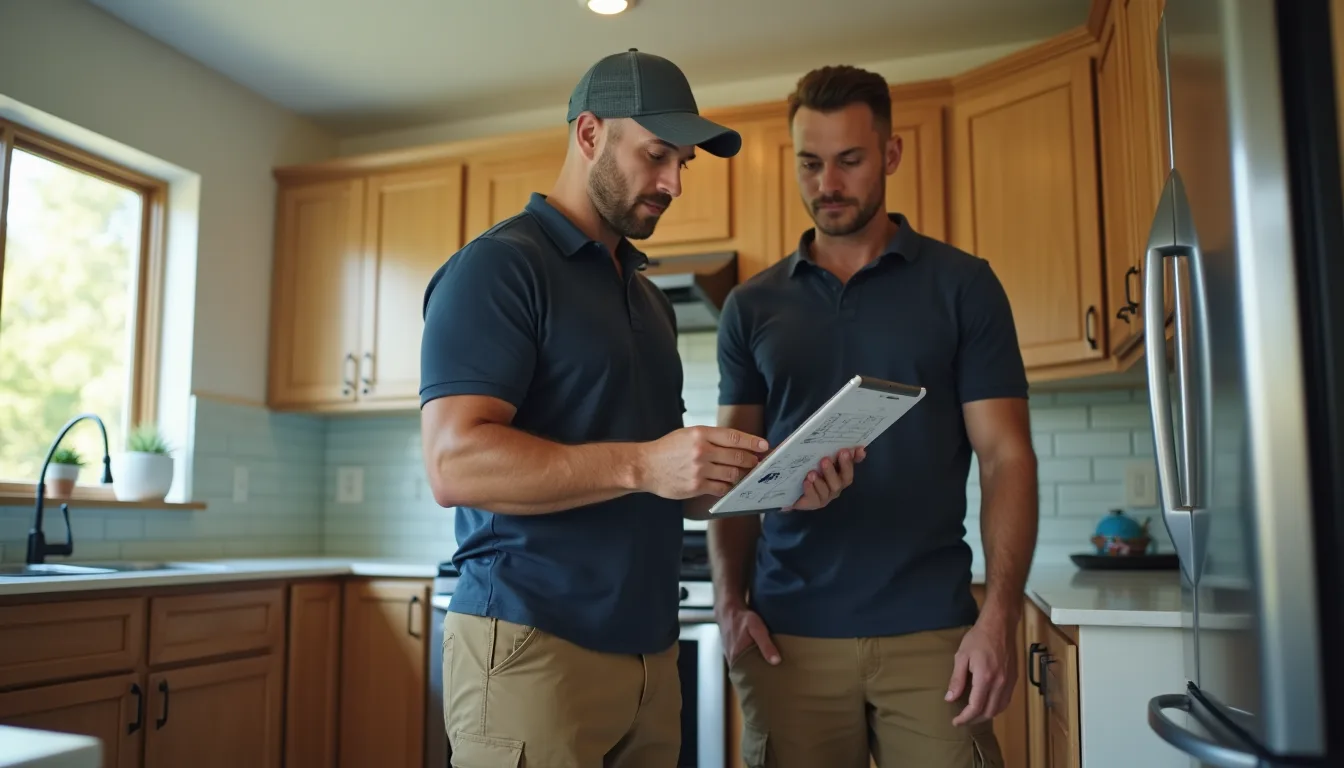
The first step in a water damage restoration assessment involves a thorough inspection of your property. This usually takes 1-2 hours, during which professionals from DryGuard Water Damage Cleanup evaluate the source of the water intrusion, affected areas, and overall damage. Expect them to use advanced tools, like moisture meters, to gauge hidden damage in walls and flooring.
Costs for this initial assessment rarely exceed $300, but the insights gained can save homeowners much more in potential repairs down the line.
2. What's Involved in Damage Classification?
Based on the initial assessment, water damage can be classified into three categories: clean water (from broken pipes), grey water (from appliances), and black water (from sewage). Houston homeowners must understand this classification—each category requires different cleaning procedures and equipment.
For instance, grey and black water may necessitate more complex remediation steps and pose health risks. Knowing this upfront can help you prepare both emotionally and financially.
3. Estimation of Restoration Costs
After categorizing the damage, restoration professionals will provide a cost estimate. This figure can range significantly based on the extent of damage, often between $1,500 to $8,000 in Houston. Factors include labor, materials, and specialized equipment.
It's important to remember that while restoration might require a considerable investment, the longer-term savings—avoiding structural damage or health issues—are well worth it. Make sure to discuss insurance options during this part of the assessment.
4. Timeline for Restoration
Restoration timelines can vary greatly based on the extent of the damage. Once the assessment is complete, expect a typical timeline ranging from a few days to several weeks. For instance, minor leaks might be dealt with in 2-3 days, while extensive flooding could take weeks.
Houston’s climate can further prolong these timelines; factors such as humidity levels and temperature can impact the drying process, requiring additional time and equipment.
5. Impact of Local Codes and Permits
Restoration projects in Houston may necessitate compliance with local building codes and permits, especially regarding structural repairs and mold remediation. This often involves filing permits with the city, which can add to the restoration timeline.
Consult with DryGuard Water Damage Cleanup about required permits during the assessment phase to ensure compliance and avoid fines. This proactive approach can streamline the restoration process considerably.
6. Mold Inspection and Prevention Strategies
During your assessment, professionals will often conduct an inspection for mold growth, a risk heightened by Houston's humidity. With water damage, mold can begin to develop within 24-48 hours, making early detection vital.
Implementing preventative measures based on guidance from your assessment can save you significant hassle. This includes controlling indoor humidity levels and ensuring proper ventilation in affected areas.
Houston Climate & Local Context
Houston’s unique climate presents distinct challenges for water damage restoration. With average summer temperatures soaring above 95°F and humidity consistently hovering around 70%, moisture tends to linger in buildings, making quick remediation essential. Moreover, Texas homes are often built on clay soil that expands and contracts, putting extra strain on foundations and creating vulnerabilities for water intrusion.
Local building codes require adhering to specific standards for repairs and environmental safety during water damage restoration. Homeowners should be aware of these regulations to ensure their restoration efforts comply with city mandates, especially when dealing with significant flooding or sewage backups.
As hurricane season (June to November) approaches, Houston residents must be particularly vigilant, as storms can lead to severe flooding and property damage. Having a trusted restoration service like DryGuard can make all the difference in rapid response times and effective recovery.
When to Call a Professional
While some minor water damage issues can be managed as DIY projects, many scenarios warrant calling in a professional. Professionals not only have the experience but also the equipment to deal with potentially hazardous situations. Here are some red flags indicating that DIY is not advisable:
- Visible mold growth or foul odor.
- Water damage that’s affected structural elements or walls.
- Presence of black water or sewage.
- Ceiling or wall materials sagging or bulging.
- Extensive flooding beyond small leaks.
- Multiple areas of damage in a single property.
- Unfamiliarity with mold remediation methods and protocols.
Relying on professionals like DryGuard Water Damage Cleanup ensures a thorough job, from assessment to complete restoration, safeguarding your health and your home.
Frequently Asked Questions
How can I tell if I have water damage in my home?
Signs of water damage include stains on ceilings or walls, musty odors, and visible mold growth. Pay close attention to any unexplained dampness, especially after heavy rains.
What steps should I take immediately after discovering water damage?
First, stop the source of water if safe to do so, then remove any valuables and call a water damage professional for an assessment before further action.
Will my homeowner's insurance cover water damage restoration?
Many homeowner's insurance policies include coverage for water damage, but it's crucial to review your policy. Contact your provider to clarify coverage details based on your specific situation.
How can I prevent future water damage in my home?
Regular maintenance, such as inspecting your roof and plumbing systems, can help prevent leaks. Additionally, ensuring proper grading around your foundation can direct water away from your home.
What is the typical cost range for water damage restoration in Houston?
The cost varies widely based on the extent of water damage, typically ranging from $1,500 to $8,000. It's always best to obtain multiple quotes for accurate budgeting.
Get Expert Water Damage Restoration Service in Houston
If you’ve experienced water damage in your Houston home, don’t hesitate to reach out to DryGuard Water Damage Cleanup. Our dedicated team is prepared to handle your restoration needs efficiently. Call us today at (832) 895-2068 for immediate assistance!
Water damage doesn’t wait, and neither should you. Trust the experts at DryGuard to restore your home to its safe and dry condition!
Related Services
Service Areas
More Articles
Top 5 Water Damage Restoration Prevention Tips Every Houston Homeowner Should Know
2026-04-16
Water Damage RestorationThe Hidden Dangers of Ignoring Water Damage Restoration Issues in Your Home
2026-04-16
Water Damage RestorationHow Much Does Water Damage Restoration Cost in Houston? Complete 2026 Price Guide
2026-04-16