How Much Does Water Damage Restoration Cost in Houston? Complete 2026 Price Guide
Published: 2026-04-16 · By DryGuard Water Damage Cleanup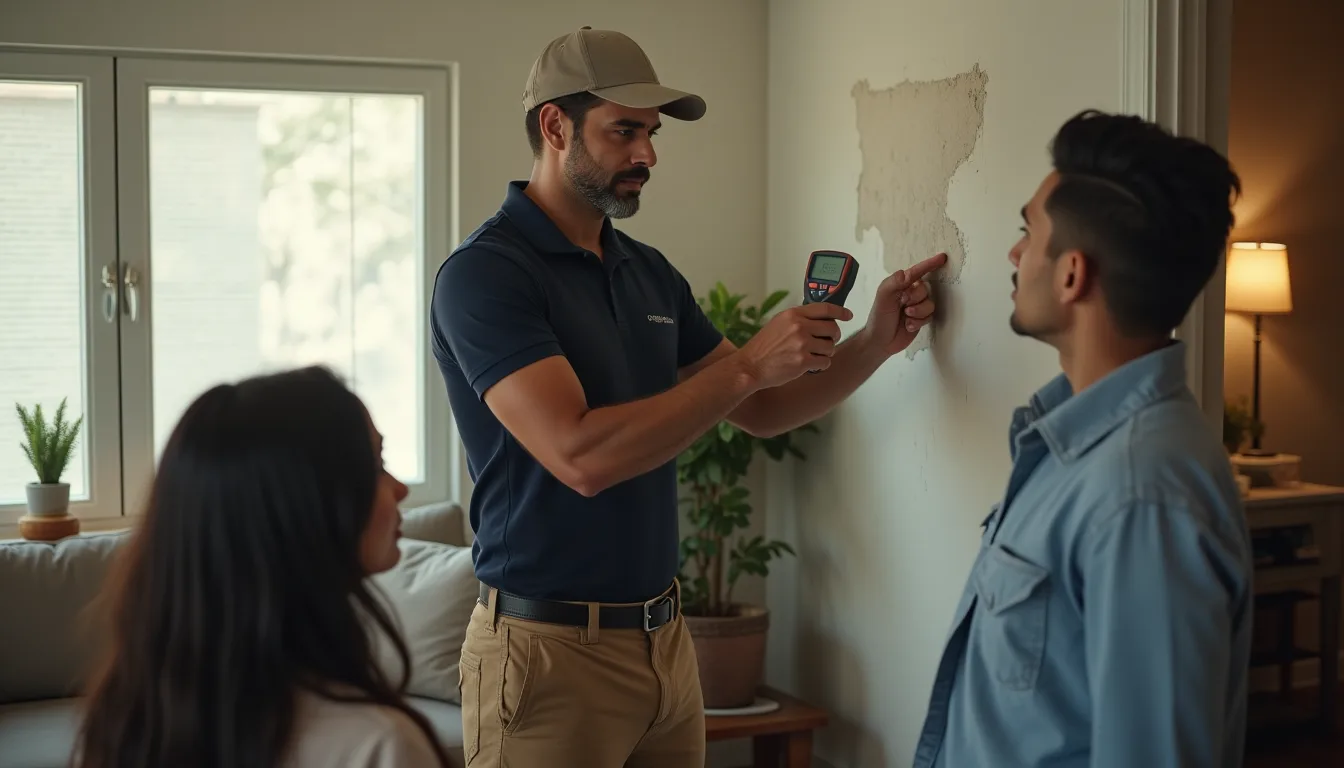
As a homeowner in Houston, the thought of water damage can spur a quick heart rate. Whether it's from heavy rainfall during storm season or unexpected plumbing failures, your property can sustain significant harm in no time. The combination of extreme heat and humidity here amplifies the risks, leading to mold growth and structural damage that can be costly to repair. But how much should you expect to pay for water damage restoration? Let’s break down the typical costs and what influences them in Houston.
Why This Matters for Houston Homeowners
Water damage is a significant concern for homeowners in Houston, where the annual rainfall and humidity can lead to unexpected leaks or flooding. High humidity levels not only contribute to water pooling but also create an environment ripe for mold growth. This can turn into a health hazard for your family and pose a threat to your property. Furthermore, Texas clay soil expands and contracts, which can impact home foundations, exacerbating water issues.
This vulnerability is heightened during hurricane season, which runs from June to November. Severe storms can bring torrential rains that overwhelm home drainage systems, leading to inevitable damage. Understanding the financial implications of restoration services becomes vital when you live in a city known for its unpredictable weather. Repairing foundational issues along with water damage can lead to skyrocketing repair costs.
Houston homeowners need to understand these factors to effectively budget for restoration. Failure to address these issues promptly could lead to more significant expenses down the line.
Expert Solutions & Actionable Tips
1. Understanding Water Damage Classifications
Different types of water damage require different restoration strategies and costs. Class 1 involves minimal moisture, affecting only one room, typically costing between $1,000 and $3,000 to fix. Class 2 involves significantly damaged materials, such as carpeting, and can run from $3,000 to $6,000 while Class 3 affects multiple rooms and includes significant water removal efforts, costing upwards of $7,000 or more. Houston homeowners should engage experts to assess damages as soon as possible.
2. Cost Factors in Restoration
The overall cost of water damage restoration can vary based on multiple factors, including the extent of damage, materials affected, and labor charges. For example, employing advanced drying technology may add $500 to $2,000 to the total bill. Houston's seasonal storms can lead to emergencies, with service providers often adjusting rates due to demand. Always obtain at least three estimates to ensure you're paying a fair rate for your location.
3. Timing Matters: The First 24 Hours
The speed of your response can dramatically affect the final cost of restoration. If water damage is addressed within the first 24 hours, costs might stay between $1,000 and $3,000. Delaying repairs for just a few days can easily double this figure, especially due to potential mold growth. In Houston, quick action is essential given the warm and humid environment that promotes accelerated damage.
4. Insurance Claims and Your Budget
Most homeowners insurance policies cover water damage restoration, but specifics can depend on the cause of damage. If the issue is related to flooding, specific flood insurance might be necessary, adding another financial consideration. On average, homeowners can expect to pay their deductible first—typically ranging from $500 to $2,000—prior to insurance coverage kicking in. Work with your provider to clarify what is and isn’t covered based on Houston laws.
5. Common Mistakes in DIY Restoration
Attempting to tackle water damage restoration yourself may lead to costly mistakes. A common blunder is underestimating the amount of water that needs to be removed, which can lead to further damage and mold growth. For Houston homeowners, improper cleaning can easily escalate costs by $1,000. It's better to invest in professional services upfront, especially when dealing with hazardous materials like black water.
6. Identifying Hidden Water Damage
Water can hide in unseen areas like walls and under flooring. An expert inspection can identify these hidden threats. Utilizing thermal imaging and moisture detectors can reveal leaks costing anywhere from $500 to $1,500 for repairs if caught early. Houston’s high humidity makes it essential to get a detailed assessment that covers the perimeter of your home to avoid future issues.
Houston Climate & Local Context
Houston’s climate is notorious for its oppressive heat and high humidity, providing the perfect environment for water damage risks. The region frequently experiences heavy rainfall, especially during storm season from June to November, and foundational issues frequently arise from the expansive nature of Texas clay soil. These factors combined create a unique challenge for local homeowners. Understanding the weather patterns can aid in preventive measures for your home.
Additionally, local building codes play a role in restoration efforts. Certain permits may be required for substantial repairs resulting from water damage, especially if structural elements are involved. Working with a certified restoration firm ensures that the rebuilding meets Houston's regulations, shielding homeowners from fines or future issues.
When to Call a Professional
Determining whether to embark on a DIY water damage cleanup or enlist professional assistance can be challenging for homeowners in Houston. While minor issues can often be handled independently, considerable damage generally requires expertise.
- Flooding from severe weather events.
- Widespread mold growth detected.
- Water damage exceeding the basement or first floor.
- Visible structural damage like sagging ceilings.
- Unresolved moisture after drying attempts.
- Presence of black water contamination.
Each of these situations signifies a need for professional restoration services. Trained experts can pinpoint and address hard-to-detect sources of water and salvage your property more efficiently.
Frequently Asked Questions
What should I do immediately after discovering water damage?
Call DryGuard Water Damage Cleanup right away. They can assess the situation, advise you on safety, and mitigate further damage efficiently.
Are my restoration costs covered by insurance?
Coverage depends on the cause of water damage. Typical homeowners' insurance covers sewer backups and leaks, but additional flood insurance may be necessary for severe cases in Houston.
How long does water damage restoration usually take?
Restoration timelines vary based on the severity and extent of damage. Most projects in Houston can range from 48 hours to a week for complete restoration.
Can I prevent water damage in my home?
Yes, routine maintenance like gutter cleaning, checking for leaks, and ensuring drainage systems are clear can help mitigate risks. Houston homeowners should stay vigilant, especially before storm season.
What are the first signs of water damage to look out for?
Watch for discoloration on walls, peeling paint, or warped flooring. These may indicate more severe damage lurking underneath, necessitating immediate attention from professionals.
Get Expert Water Damage Restoration Service in Houston
In the unpredictable climate of Houston, water damage can strike without warning, but understanding your options can save you stress and money. For expert assistance, don't hesitate to reach out to (832) 895-2068. Our team at DryGuard Water Damage Cleanup is ready to help you restore your home and prevent further damage.
Act now to ensure your property is safe and secure—because your home deserves the best care in Houston.
Related Services
Service Areas
More Articles
Top 5 Water Damage Restoration Prevention Tips Every Houston Homeowner Should Know
2026-04-16
Water Damage RestorationThe Hidden Dangers of Ignoring Water Damage Restoration Issues in Your Home
2026-04-16
Water Damage RestorationWhat to Expect During a Professional Water Damage Restoration Assessment
2026-04-16