Mold After Water Damage Restoration: Prevention and Treatment Guide
Published: 2026-04-16 · By DryGuard Water Damage Cleanup
As a Houston homeowner, you understand the relentless battle against water damage, especially during hurricane season. Picture this: a sudden thunderstorm leads to a flooded basement. You call in a restoration team to clean up, but weeks later, a musty smell permeates your home. Mold has found a way to thrive in the humid climate, turning a manageable situation into a costly nightmare. Water damage restoration doesn’t just stop at removal; it’s crucial to prevent mold—for the health of your family and the integrity of your home.
Why This Matters for Houston Homeowners
Mold thrives in environments that are moist and warm, making Houston's climate a fertile ground for growth after water damage incidents. Following heavy rain or flooding, the humidity levels can skyrocket, creating ideal conditions for mold spores to proliferate. Homeowners might think they have tackled the problem by drying out wet areas, but without thorough treatment, mold can sprout in hidden corners before you even notice. This is not just an aesthetic issue; mold exposure can lead to health issues such as respiratory problems and allergic reactions.
In addition, Texas's unique clay soil can exacerbate foundation problems. It expands when wet and contracts with heat, leading to cracks that may allow water infiltration. With the hurricane season increasing the risk of flooding, it’s easy to see why mold prevention is critical for Houston residents.
Expert Solutions & Actionable Tips
1. Routine Inspection of Home
Regular inspections of your home’s vulnerable points such as bathrooms, kitchens, and basements can help catch moisture before it becomes a bigger issue. Schedule inspections every 3-6 months, focusing on areas prone to leaks. Hiring a professional home inspector could cost between $300-$500, but it’s a small price compared to potential mold remediation and structural repairs that can rack up thousands.
2. Invest in a Dehumidifier
Investing in a high-quality dehumidifier can significantly decrease moisture levels in your home. For Houston’s humidity levels, a capacity of 50-70 pints per day is recommended. Expect to spend around $200-$400 for a reliable unit, and remember to regularly empty the tank or opt for a model with a continuous drain option. This small investment could pay dividends in mold prevention.
3. Seal Cracks and Foundation Issues
Given Houston's clay soil, it’s essential to seal any cracks in your foundation and exterior walls. This helps prevent water intrusion. The cost for sealing cracks can start at $500 and vary based on severity. If foundation issues arise, be ready to invest significantly more, as underpinning services can run over $10,000 in severe cases.
4. Emergency Water Damage Cleanup
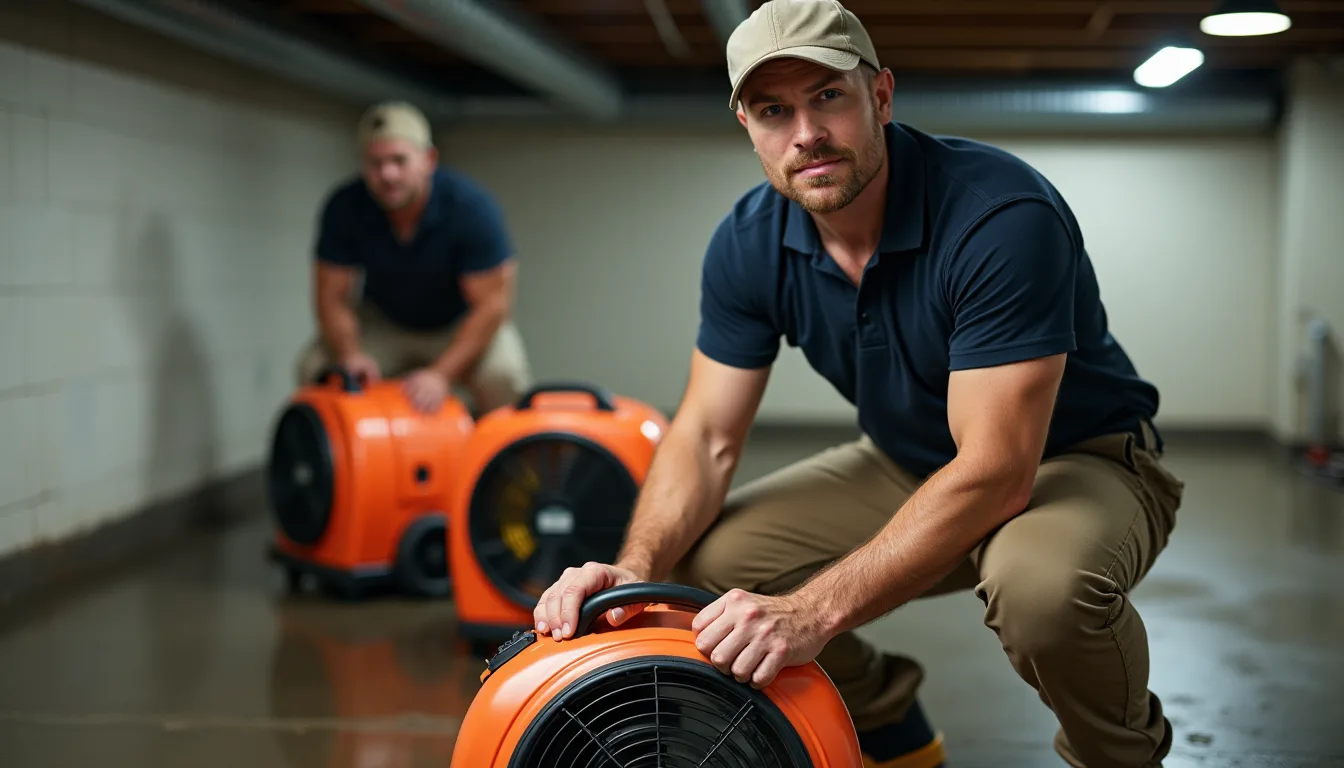
In events of flooding, immediate cleanup is crucial. Call a professional service like DryGuard Water Damage Cleanup within 24 hours to reduce mold growth risks. While cleanup can range from $1,000 to $5,000 depending on the extent of the damage, timely action often mitigates larger losses. Remember, the sooner you act, the smaller the problem may become.
5. Appropriate Ventilation and Air Circulation
After a water event, ensure areas are well-ventilated. Open windows and use fans to circulate air effectively. This can promote drying and inhibit mold development. It’s recommended to keep ventilation running for several days post-cleanup to minimize the risk of mold formation.
6. Professional Mold Assessment
If you detect a musty smell or see signs of mold, it’s crucial to get a professional mold assessment. This can cost anywhere from $300 to $1,000 depending on the extent of testing needed. Early detection can save you from costly remediation later, making it a worthy investment.
Houston Climate & Local Context
Houston's climate is notorious for its high humidity and intense summer heat, creating conditions ripe for mold growth. Many properties, especially older homes, may not be built with adequate moisture control technology. A staggering number of homes in the Houston area may also have foundational issues due to the expansive clay soil, further complicating water damage scenarios. This combination can lead to a perpetual cycle of moisture retention and mold growth if not addressed properly.
Local building codes often require timely reporting and remediation of water damage to prevent hazardous mold conditions. Checking with the city’s permitting office can help homeowners understand when professional intervention is required and how to comply with local regulations effectively.
When to Call a Professional
While some water damage issues can be handled by homeowners, there are clear signs that indicate when it’s time to call in the experts. Mold can be concealed in walls, ceilings, or under carpets, making it a tricky foe to tackle alone.
- Noticeable discolored surfaces or walls.
- Water stains appearing on ceilings or walls.
- Persistent musty odors even after cleaning.
- Significant flooding that exceeds a few inches.
- Presence of black mold or suspicious-looking growths.
- Health issues such as respiratory problems occurring after water damage.
- Previous DIY attempts that have failed.
- Uncertainty about proper mold removal techniques.
In these scenarios, hiring a professional like DryGuard Water Damage Cleanup ensures thorough remediation and a healthier living environment.
Frequently Asked Questions
What should I do immediately after discovering water damage?
Immediately contact a professional water damage restoration service like DryGuard Water Damage Cleanup at (832) 895-2068. They can provide swift action and mitigate further damage.
How can I tell if mold is growing in my home?
Look for visible discoloration on surfaces, unusual musty odors, or increased allergy symptoms among family members. If you suspect mold, a professional assessment may be necessary.
Is mold remediation covered by homeowners insurance?
This can vary. Many policies do cover mold remediation, but it's essential to check with your specific provider for details. Having a professional document the issue can help your claim.
How long does water damage restoration take?
The duration varies depending on the severity but generally takes from a few days up to two weeks, especially when mold prevention measures are also in place.
What are some long-term solutions for water damage prevention?
Regular maintenance, including sealing cracks in the foundation, using dehumidifiers, and ensuring good drainage around your property, can drastically reduce the risk of future water damage.
Get Expert Water Damage Restoration Service in Houston
If you’ve experienced water damage in your home, don’t wait until mold becomes a problem. Reach out to the experts at DryGuard Water Damage Cleanup today. Call (832) 895-2068 to ensure your home is safe and protected from future water-related issues.
Let us help you with mold prevention and effective water damage restoration tailored to the unique needs of Houston homeowners. Contact us now!
Related Services
Service Areas
More Articles
Top 5 Water Damage Restoration Prevention Tips Every Houston Homeowner Should Know
2026-04-16
Water Damage RestorationThe Hidden Dangers of Ignoring Water Damage Restoration Issues in Your Home
2026-04-16
Water Damage RestorationWhat to Expect During a Professional Water Damage Restoration Assessment
2026-04-16